The Secret to Perfect Dad Gifts: How Budgeting Boosts Thoughtfulness
If you're like most people shopping for Dad, you've probably already opened Pinterest boards and scrolled through Amazon carousels until your thumb hurts. By now, the pressure is palpable—the need to find something that screams, "I know you, I adore you, and I put real thought into this," all while simultaneously whispering, "Please let’s not spend our entire savings."
If this sounds familiar, take a deep breath. You are absolutely not alone in feeling that stress. The pressure to deliver the perfect gift for Dad feels enormous. And when we ask ourselves, "Why is budgeting important for Father's Day gifts?"—we aren't really asking about arithmetic. We're asking how to make sure our financial limits don't translate into emotional disappointment.
The simple truth is that good gifting isn't about the price tag; it’s about maximizing the perceived effort. And budgeting, in this context, is your superpower—it’s not a constraint, it’s a focus tool. It forces you to shift from buying things to curating moments.
Shifting Focus from Cost to Craftsmanship
When we let our spending get unfocused, we often end Additional resources up buying something expensive that feels generic. Think of the difference between an item bought purely because it's flashy versus one chosen because it tells a story about him. Budgeting acts like a powerful filter for your creativity.
Instead of defaulting to "I should spend more," a budget forces you to ask: What specific part of his routine, hobby, or personality can I elevate right now, without spending a fortune?
Consider this metaphor: Spending money is like filling a balloon with helium—it’s flashy, but it pops quickly. Strategic budgeting, however, is like building a beautiful little birdcage. Each carefully selected item (the mini-tools, the gourmet snack, the local coffee blend) contributes to a structure that lasts longer and holds more meaning for him. You are curating an experience inside the hamper, not just collecting objects.
The Currency of Thoughtfulness
The biggest lesson budget management teaches us is how to make thoughtfulness quantifiable. When you operate with a strict limit—say, under $50—you instantly stop buying things that are merely "nice" and start hunting for items that are perfectly tailored.
This isn't about settling; it’s about precision. It means swapping out a generic, massive item (like a bottle of wine you know he won't drink) for three smaller, highly specific goods: a rare spice blend for his cooking, an artisanal coaster set, and a book related to his favorite armchair travel destination.
This is where the emotional impact lives. Your father doesn’t remember that you bought him a $30 scented candle; he remembers that you specifically chose the scent of cedar and smoked oak because he mentioned it once while grilling last fall. That detail? That is priceless.
"The best gifts are those that remind someone how seen they are." — Unknown This quote perfectly captures why thoughtful budgeting works: it ensures every single purchase contributes to making him feel 'seen.'
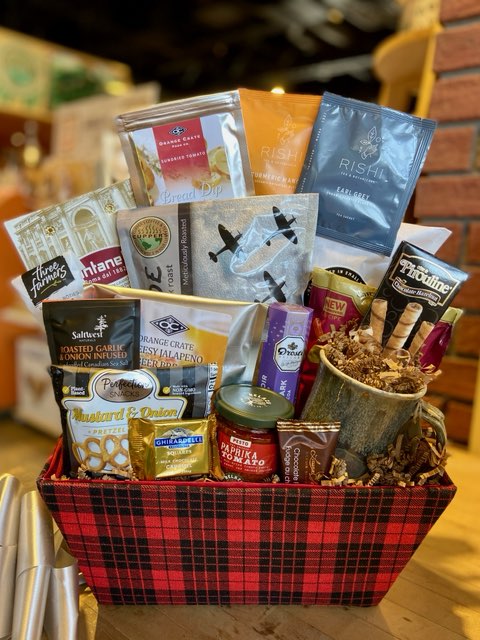
Practical Steps for the Under-$50 Masterpiece
If you’re currently staring at a shopping cart full of mediocre, overpriced items, use these three strategies to sharpen your focus and maximize sentimentality within budget.
1. The "Three-Pillar" Approach
Instead of buying one large gift that spans too many categories (tech, clothing, consumables), build the hamper around three distinct pillars related to his interests:
- The Sensory Pillar: Something he can smell or taste (gourmet coffee beans, fancy soap).
- The Relaxation Pillar: Something for slowing down (a nice pair of socks, a book, earplugs if he travels).
- The Utility Pillar: A small item that genuinely helps him do something he loves (a specific tool, a bookmark for his reading chair).
2. Embrace Local and Artisanal Finds
Big box stores are designed to sell you volume. Your local farmers' market, independent coffee roaster, or specialized bookstore is designed to sell you story. A handmade wooden item from a local craft fair often carries more emotional weight than an identical, mass-produced item bought online. These smaller purchases feel inherently more personal and elevated—and they are usually far less expensive than their big-box counterparts.
3. The "Upgrade One Thing" Rule
If you’ve already gathered several small items (a few snacks, a bottle of soda, etc.), don't overhaul the whole thing. Instead, identify the single most noticeable item—the one that drags the perceived quality down—and use your remaining budget to upgrade just that one piece. Swapping out cheap chocolate for high-end truffles, or generic t-shirt for a nice pair of wool socks, makes the entire collection feel instantly more luxurious and intentional.
It was once a friend's father’s day gift. She had gathered a lovely assortment: some snacks, a novelty mug, and a card. It felt fine, but nothing special. On the way home, she stopped at a small local hardware store. For less than twenty dollars, she bought a beautiful bottle of high-quality wood polish for his favorite old wooden desk. It was such a small item—just an upgrade—but it immediately changed the entire dynamic of Fitness Enthusiast the gift. When he unwrapped it, his face lit up in a way that nothing expensive could achieve.
The lesson is clear: the joy comes from the acknowledgement of routine. He doesn't need something new; he needs something that enhances what he already loves.
As you start putting your hampers together this year, remember that the act of curating these thoughtful bundles—the research, the shopping trips, the careful arrangement—is itself a powerful gift. You are giving him evidence that someone notices his specific tastes, appreciates his daily rituals, and cherishes those moments.
So, approach your budget not as a restrictive line on paper, but as a guide pointing you toward the most meaningful details. Because in the end, Dad doesn't care if it cost twenty dollars or two hundred; he just cares that you cared enough to make it feel perfect.